
Tiny Home vs Granny Flat: Which Suits Your NSW Backyard?
The main difference between a tiny home and a granny flat is permanence. A granny flat is a fixed secondary dwelling that needs building approval, while a tiny home on a registered trailer is generally classed as a caravan and can be moved later. At Highlands Tiny Homes, we build tiny homes on wheels in the Southern Highlands for backyards from Bowral, Mittagong and Moss Vale to Wollongong, Sydney and Canberra. This guide compares the two, so you can work out which suits your block, your family and your plans.
Key Takeaways
- In NSW, a granny flat is a permanent secondary dwelling on the same lot as your home. A tiny home on a registered trailer is generally classed as a caravan and stays movable.
- A tiny home on wheels often doesn't need a DA if it isn't permanently fixed. Secondary dwellings under 60 m² may be able to use the faster Complying Development Certificate (CDC) pathway.
- A granny flat suits fixed, long-term living. A tiny home suits flexible backyard accommodation, guest space or trialling a smaller lifestyle.
- Highlands Tiny Homes builds self-contained tiny homes with a bathroom and kitchen, with standard models from $56,900 and a 7-year structural warranty.
- Call 0412 422 740 or see our tiny home design range to talk through your block.
Backyard Living in NSW: Tiny Home or Granny Flat?
For extra space on your property, NSW homeowners usually choose between a granny flat and a tiny home on wheels. Both can house an ageing parent, an adult child, guests or a home office, but they're very different builds.
- Granny flat (secondary dwelling): a permanent, self-contained home fixed to the land on the same lot as your main house.
- Tiny home on wheels: a complete small home built on a registered trailer, parked on your property and able to be relocated later.
Planning rules change and vary between councils, so treat this as a practical guide rather than legal advice. Always confirm the details with your local council or a private certifier before you commit.
What Is a Granny Flat (Secondary or Ancillary Dwelling) in NSW?
A granny flat is the everyday name for what NSW councils call a secondary dwelling: a self-contained home on the same lot as an existing house. It has its own entrance, kitchen and bathroom, and it's built as a permanent structure fixed to the ground.
- It's built on site on a slab or footings, and it stays with the land.
- It connects permanently to mains services: power, water and sewer.
- It needs approval, either through a Complying Development Certificate where the site qualifies, or a Development Application to council. Secondary dwellings under 60 m² may be able to use the CDC pathway.
- Lot size, setbacks and other site requirements apply, and these are set by NSW planning rules and your council.
Granny flats suit families planning long-term, multi-generational living. Because they're permanent buildings, they usually involve more trades on site, a longer approval process and a bigger upfront commitment.
What Is a Tiny Home on Wheels in NSW?
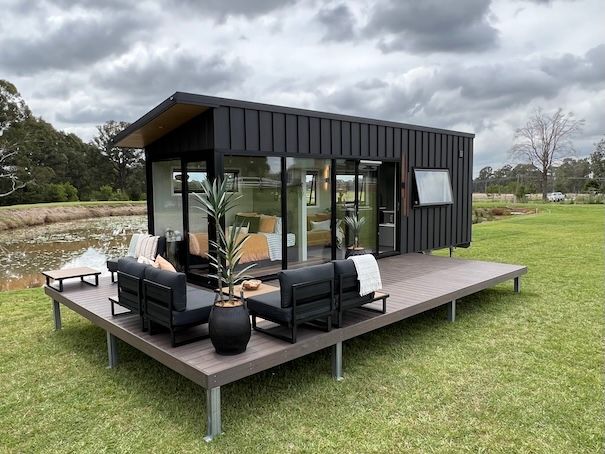
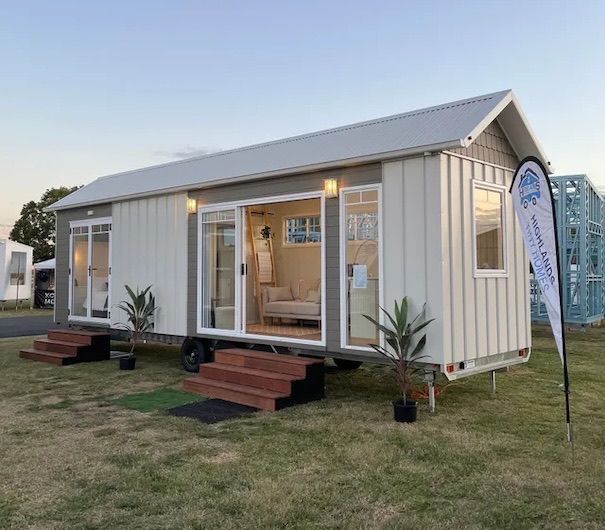
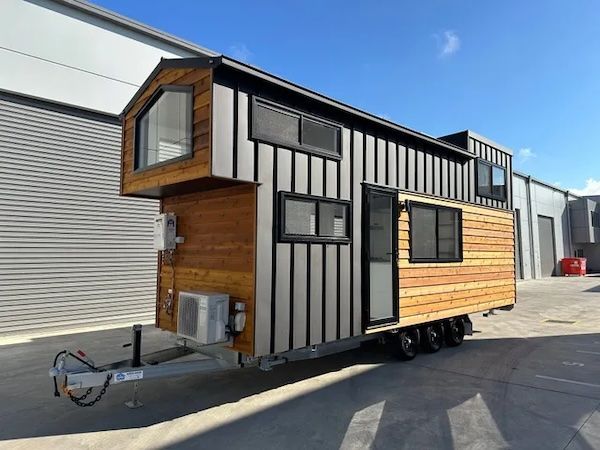
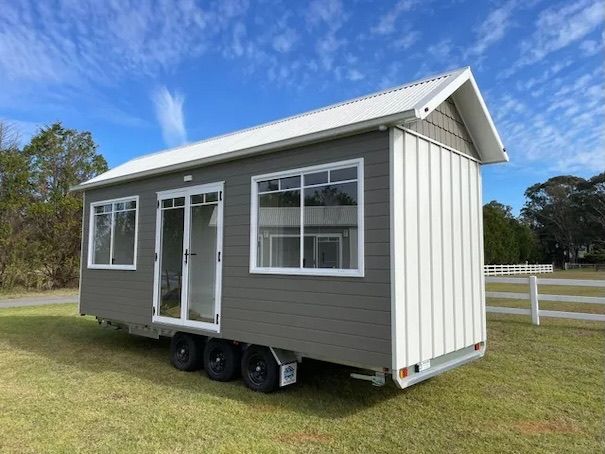
A tiny home on wheels is a complete small home built on a road-legal trailer. Because it's on a registered trailer and not permanently fixed, it's generally classed as a caravan under NSW legislation, rather than as a building.
That's why a tiny home on wheels often doesn't need development approval, provided it's on a registered trailer, isn't permanently fixed and meets your local council's requirements. If it's permanently placed on a residential property, granny flat or secondary dwelling rules may apply instead.
Every Highlands Tiny Homes build includes:
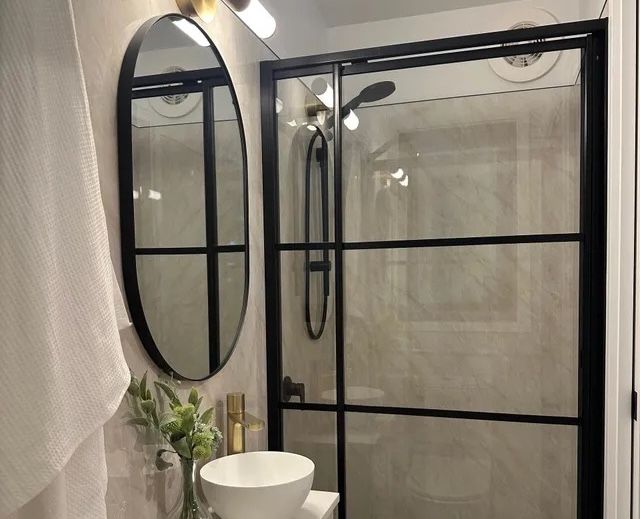
- a fully plumbed bathroom
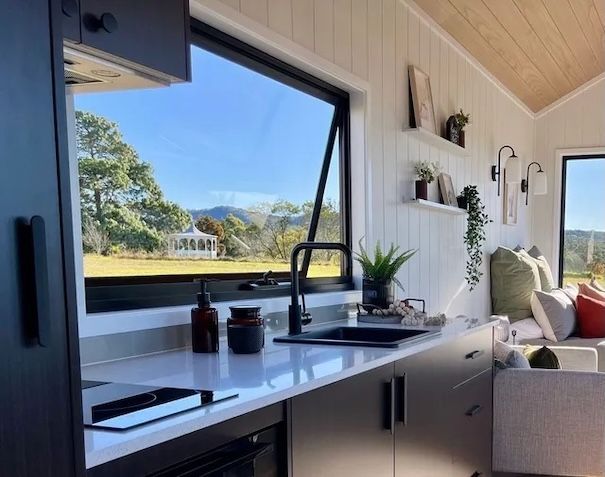
- a functional kitchen
- durable flooring and insulation
- smart storage, with loft or single-level sleeping options
Our homes run on 15 amp mains power that plugs in like a caravan and connect to water with a garden hose. Off-grid packages are available if your site needs them. Standard models start from $56,900, backed by a 7-year structural warranty.
Tiny Home vs Granny Flat: Key Differences That Matter
A tiny home and a granny flat differ most in approvals, portability and how they're built. Here's how they compare for a NSW backyard.
- Approvals: a granny flat goes through the CDC or DA pathway. A tiny home on a registered trailer that isn't permanently fixed often doesn't need a DA, depending on your council.
- Portability: a granny flat stays with the land. A tiny home on wheels can be moved to another property or sold separately if your plans change.
- Construction: a granny flat is built on site with trades coming and going. A Highlands Tiny Homes build is completed in our Southern Highlands workshop and delivered ready to connect.
- Site requirements: a granny flat must meet formal lot size and setback rules. A tiny home still needs safe access, a level spot and service connections, but placement is usually more flexible.
- Best uses: a granny flat suits permanent, long-term living arrangements. A tiny home suits guest space, a home office, a stepping stone while you plan a bigger build, or a flexible home for family.
- Property value: an approved granny flat becomes part of the property. A tiny home on wheels is a movable asset you can take with you. Get independent advice before relying on either for resale or rental value.
How to Choose: Lifestyle, Site and Council Considerations
The right choice comes down to how long you plan to stay, who the space is for, and what your block and council will allow.
- Family and lifestyle: if you want permanent, fixed accommodation for ageing parents, a granny flat may be the better fit. If you expect your needs to change, or might move in a few years, a tiny home you can relocate gives you more options.
- Your site: measure your usable backyard, and check slopes, trees, access for delivery and where your services are.
- Council: talk to your council or a private certifier early about whether your plans count as a secondary dwelling or as caravan use on your site.
- Budget: compare the total cost of a granny flat (design, approvals, slab, services and build) with a finished tiny home plus site works.
Highlands Tiny Homes offers eight standard models and fully custom designs, so you can match the layout to your backyard and your plans.
How Highlands Tiny Homes Can Help in the Southern Highlands
Highlands Tiny Homes is a licensed, family-owned tiny home builder based in Braemar, with over 40 years of building experience. We build tiny homes as a practical granny flat alternative, and here's what you get with us:
- a fully self-contained home with a plumbed bathroom and kitchen, not a bare shell
- a build on a registered, GVM-rated trailer under 4.5 tonnes
- construction in-house by our own tradespeople, then delivery and site setup
- compliance and approval support to help you prepare for your conversation with council
- standard models from $56,900, free itemised quotes and a 7-year structural warranty
If you're local, we can show you through our display homes by appointment. That's the easiest way to picture a tiny home in your own backyard.
Frequently Asked Questions
Can I live in a tiny home in my backyard full-time in NSW?
That depends on your council and zoning. A tiny home on a registered trailer is generally classed as a caravan, and councils can set limits on how long someone can live in one on a residential block. Check with your council before you plan for full-time living.
Do I need plumbing and sewer connections for a tiny home?
Every Highlands Tiny Homes build has a fully plumbed bathroom and kitchen, so you'll need a water supply and a compliant wastewater arrangement. On sewered blocks, a licensed plumber handles the connection. On rural sites, composting toilet and greywater options are available, subject to council rules.
Can a tiny home become a granny flat later on?
If a tiny home is permanently fixed to the land, councils may treat it as a secondary dwelling, and granny flat rules and approvals can then apply. Speak to your council before changing how the home sits on your property.
How do I get started with a tiny home instead of a granny flat?
Give Highlands Tiny Homes a call on 0412 422 740 or send us a message. We'll talk through your backyard, your plans and your budget, then prepare a 3D design and a free itemised quote.
Recent Posts