
Tiny Home on Wheels Guide: Trailers, Towing and Setup
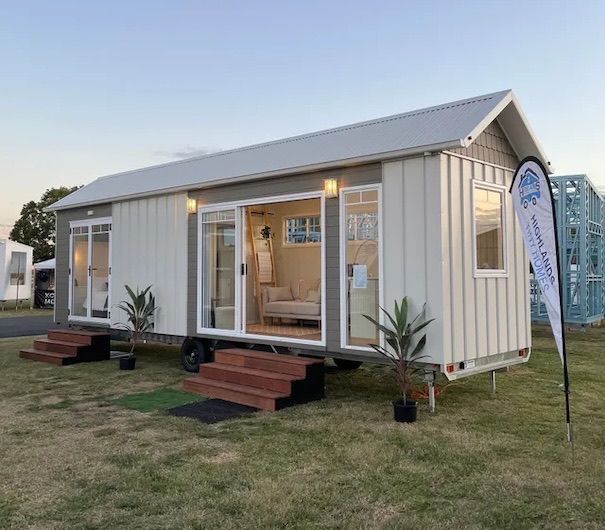
A tiny home on wheels is a fully self-contained home built on a registered trailer. It can be towed to your block, set up much like a caravan and moved again later if your plans change. At Highlands Tiny Homes, we've built tiny homes on wheels in our Braemar workshop in the Southern Highlands for buyers across NSW, from Bowral and Mittagong to Wollongong, Sydney and Canberra. This guide covers the trailer, weight, towing, registration and connecting power and water, so you know what you're getting into before you commit.
Key Takeaways
- Highlands Tiny Homes builds every home on a heavy-duty steel chassis with ADR-compliant designs, backed by a 7-year structural warranty.
- Hooking up is simple. A 15 amp mains power lead plugs in like a caravan, and water connects with a standard garden hose.
- Council rules, siting, access and towing limits still need checking for your block. Call 0412 422 740 or browse our tiny home design range to get started.
What Is a Tiny Home on Wheels (THOW)?
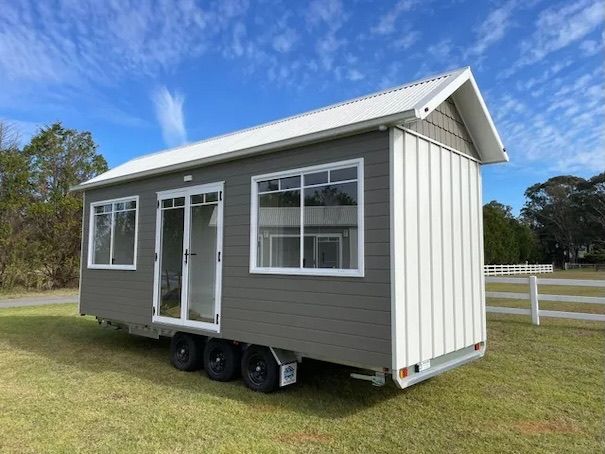
A tiny home on wheels (often shortened to THOW) is a small, complete home built on a road-legal trailer chassis rather than on a slab. Because it sits on a registered trailer and isn't permanently fixed to the ground, a THOW is generally classed as a caravan under NSW legislation, not as a house. That's the key difference from a granny flat or backyard studio, which is fixed in place and assessed as a building.
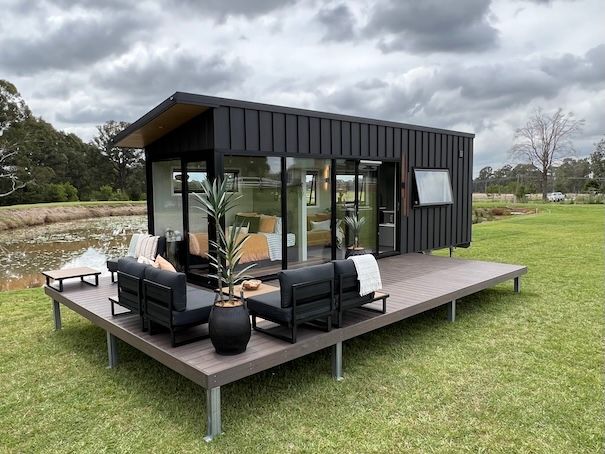
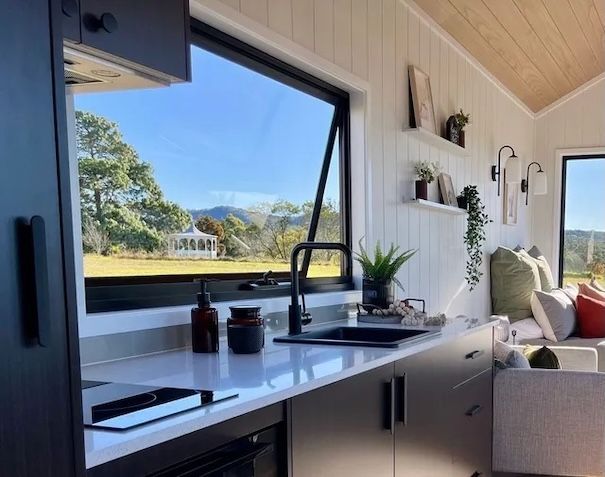
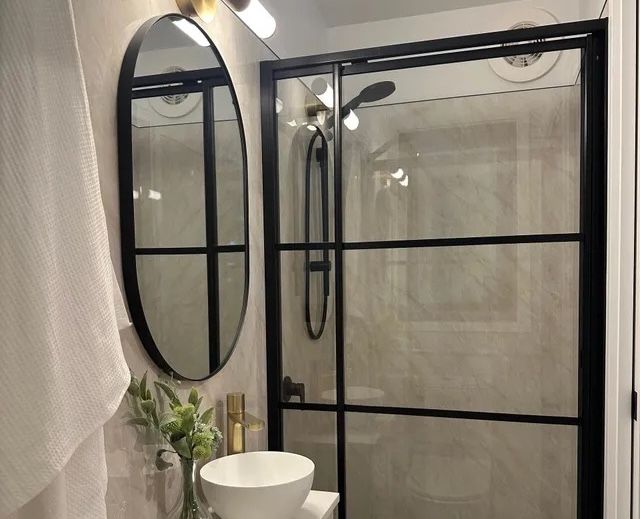
Our own models range from the compact 4.8 m Pod through to the 9.6 m Balmoral and Cali. That covers everything from a guest room or home office to a full-time home for a couple. Every Highlands Tiny Homes build includes a fully plumbed bathroom and a functional kitchen, so it's a proper home rather than a shell.
Why a Tiny Home on Wheels Might Be a Better Option for You
A tiny home on wheels gives you a quality, finished home for far less than a conventional build, with the flexibility to move it later. Here in the Southern Highlands we see it suit downsizers, first-home buyers, retirees and families who already have land or a large backyard.
- Lower entry price: our standard models start from $56,900, and custom builds typically range from $100,000 to $200,000 depending on size and finishes.
- Flexibility: because it's on wheels, you can reposition the home on your property or relocate it to another block, subject to council rules where it lands.
- Less site work: there's no slab to pour, and the home arrives finished from our workshop.
- Smaller running costs: a compact home has less space to heat and cool, which matters through a Highlands winter.
Plenty of our clients use a tiny home as a stepping stone. They live in it while planning a bigger build on the same land, or set it up as a guest retreat for family visiting from Sydney or Canberra.
Understanding Trailers, Chassis and Weight Limits
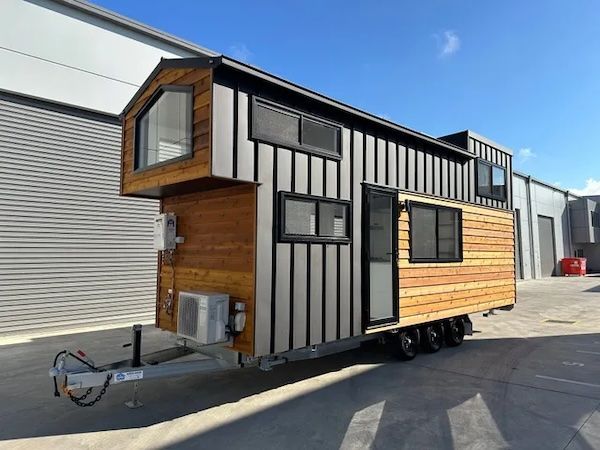
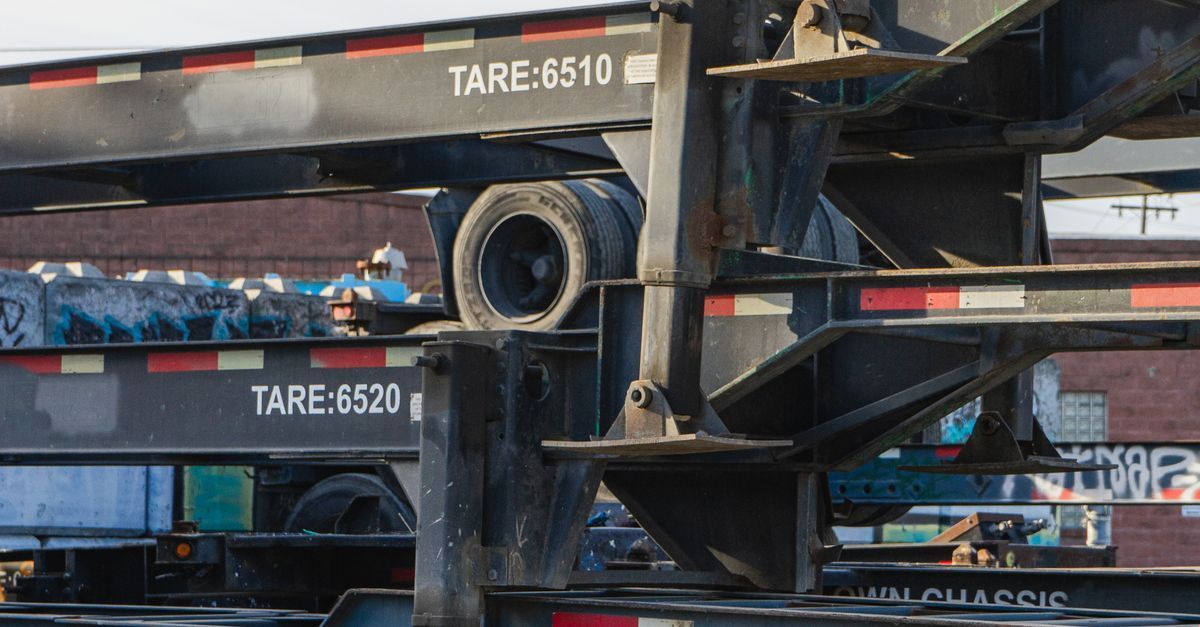
The trailer is the foundation of every tiny home on wheels, and it decides how safely and legally your home can travel. Highlands Tiny Homes builds on a heavy-duty steel chassis trailer engineered for Australian conditions, not a repurposed caravan trailer.
- GVM-rated: GVM (Gross Vehicle Mass) is the maximum loaded weight of the trailer, including the home, water, gas bottles and your belongings. Every trailer we use carries a GVM rating.
- Under 4.5 tonnes: our homes are built on registered trailers under 4.5 t, which is why they're classed as caravans.
- ADR-compliant designs: our designs meet the Australian Design Rules that apply to trailers on Australian roads.
Weight management starts at the design stage. Material choices, window sizes and built-in joinery all add up, so we plan layouts and storage with the trailer rating in mind. That way you're not caught out once tanks are full and the home is furnished.
Towing Basics: Vehicles, Licences and Safe Travel
Most tiny homes on wheels are towed rarely, usually once from the builder to your block, rather than taken touring every weekend. Even so, safe towing needs planning before the home is ordered.
- Your tow vehicle's towing capacity must exceed the fully loaded weight of the trailer, not just its empty weight.
- You'll need a correctly rated towbar, a brake controller, and working lights and safety chains.
- Licence requirements depend on the combined weight, so check current NSW rules with Transport for NSW before you hitch up.
- For steep or narrow Highlands driveways, walk the route and plan turning space first.
If you'd rather not tow it yourself, that's sorted. Highlands Tiny Homes handles delivery and site setup using specialised transport, with a pre-delivery site assessment so we know your access before the truck arrives.
Registration, Road Rules and ADR Compliance
In NSW, a tiny home on wheels is registered as a trailer and has to meet the Australian Design Rules and state road rules like any other trailer. Our homes are supplied on registered, GVM-rated trailers with ADR-compliant designs, and all Highlands Tiny Homes builds meet Australian road transport standards.
Registration and road rules differ between states and can change. If you're towing interstate, for example into the ACT, check with the relevant road authority first. Compliance also matters for your insurance, so keep your registration and build paperwork together.
Connecting Power, Water and Waste
A tiny home on wheels connects to services much like a caravan, which keeps setup simple on most serviced blocks.
- Power: our tiny homes run on 15 amp mains power with a safety switchboard. You plug the home in with a power lead, just like a traditional caravan. Any new outdoor outlet on your property should be installed by a licensed electrician.
- Water: each home has a standard garden hose connection. Rainwater storage tanks and pumps are available at extra cost if you'd like to go off-grid.
- Gas: a dual gas regulator takes two standard barbecue-size LPG gas bottles.
- Waste: on sewered blocks, plumbing is connected by a licensed plumber. On rural sites, composting toilets and greywater systems are options, subject to council and environmental rules.
At handover, Highlands Tiny Homes walks you through every connection and gives you a care guide so you're not left guessing.
Off Grid and Energy Efficiency Options
A tiny home on wheels can run partly or fully off-grid, which suits rural blocks around the Southern Highlands where mains power may be a long way from your building spot. Solar isn't a standard inclusion on our designs, but Highlands Tiny Homes supplies off-grid packages as an added extra, including:
- solar panels and battery storage
- rainwater collection, tanks and pumps
- gas water heating and gas appliances
- greywater systems and water filters
- composting toilets. The Clivus Multrum CM LP chamber we install is swapped roughly every 4 to 6 months for two adults living full-time.
You don't have to go all-in from day one. Many owners start with mains plug-in power and hose water, then add off-grid upgrades later. Good insulation, energy-efficient lighting and smart window placement make a real difference to year-round comfort in our cool-climate winters.
Interior Layout, Storage Solutions and Multifunctional Furniture
How a tiny home on wheels feels to live in comes down to layout and storage, and that's where our design work earns its keep. Highlands Tiny Homes focuses on making every centimetre usable without the home feeling cramped.
- Choose between loft sleeping and single-level layouts. Single-level layouts suit retirees and anyone who'd rather skip the ladder.
- Stairs with built-in drawers, under-seat storage and smart cabinetry keep clutter out of sight.
- Fold-down tables and dual-purpose rooms let a small floor plan work as a home office by day and a living area by night.
- Skylights and French doors bring in light and make the space feel bigger.
You can start from one of our eight standard models and personalise the layout, cabinetry and flooring, or go fully custom. Our team keeps everything within the trailer's weight rating.
Council Approval, Zoning and Where You Can Put a Tiny Home on Wheels
Where you can park and live in a tiny home on wheels depends on your local council, and the rules vary between council areas and zones. Tiny homes on wheels are generally classified as caravans in NSW. They often don't need development approval if they're on a registered trailer, aren't permanently fixed and meet local council requirements. If the home is permanently placed on a residential property, granny flat or secondary dwelling rules may apply instead.
Before you buy, check:
- the zoning of the land and any existing approvals
- how long a caravan or moveable dwelling can stay, and whether it can be lived in full-time
- bushfire and flood overlays
- access for delivery.
Ask your council for written guidance where you can. Highlands Tiny Homes offers compliance and approval support, but the final say always rests with your council.
Working With Highlands Tiny Homes (Design, Delivery and Support)
Highlands Tiny Homes is a licensed, family-owned builder based in Braemar, with over 40 years of building experience. Every home is built in-house by our own tradespeople.
- Consultation: we talk through your goals, budget and site, show you our display homes if you're local, and prepare a 3D design with an itemised quote. Quotes are free.
- Design and deposit: a 10% deposit secures your build slot while we finalise specifications and finishes.
- Construction: we build in our Southern Highlands workshop, from the steel chassis trailer through framing, insulation, services and fit-out, and send you progress photos along the way.
- Progress payments: payments are made at key stages, so you always know where your build is up to.
- Delivery and handover: we transport the home, guide the connections and walk you through it with a care guide.
Every build sits on a GVM-rated registered trailer under 4.5 tonnes and carries a 7-year structural warranty. Explore our tiny home design options or give us a call on 0412 422 740.
Frequently Asked Questions About Tiny Homes on Wheels
Can I live in a tiny home on wheels full-time on my own property?
It depends on your council. Some NSW councils allow full-time living in a caravan or moveable dwelling under set conditions, while others limit it to temporary or occasional use. Contact your council's planning team with your address, zoning and how you plan to use the home.
Do I need special insurance for a tiny home on wheels?
Usually you'll need cover for two situations: while the home is being towed, and while it's parked on site. Speak to an insurer who understands tiny homes and caravans, and give them accurate details of the trailer, weight and location.
Can I move my tiny home between different properties easily?
Yes. A tiny home on wheels is designed to be relocatable. Each move needs a suitable tow vehicle or specialised transport, a planned route, and good access at both ends. Most owners move their home rarely rather than regularly.
What maintenance does a tiny home on wheels require?
Tiny homes are easy to maintain, but there are two sides to look after. On the house side, check the roof and gutters each year, check window and door seals each season, service the plumbing and hot water, and look after the cladding and paint. On the trailer side, inspect and grease the chassis once a year.
Can I customise the layout and finishes of my tiny home?
Absolutely. With Highlands Tiny Homes, you can personalise layouts, cabinetry and flooring and add off-grid features, starting from one of our standard models or a fully custom design. We engineer every change to suit the trailer, and you can call us on 0412 422 740 to talk it through.
Recent Posts